Educate yourself on Essential Roofing Services to Ensure Your Homes Safety and longevity.
The significance of maintaining a secure and long-lasting roof is undeniable. Property owners frequently ignore necessary roof care until major issues develop. Periodic assessments help find concealed damage, while knowledge of common repairs can avoid expensive deterioration. Understanding materials and the role of gutters also is a key factor in the lifespan of the roof. As homeowners deal with these factors, selecting a qualified roofer is just as important. How can they proceed to protect their property?
The Necessity of Routine Roof Checks
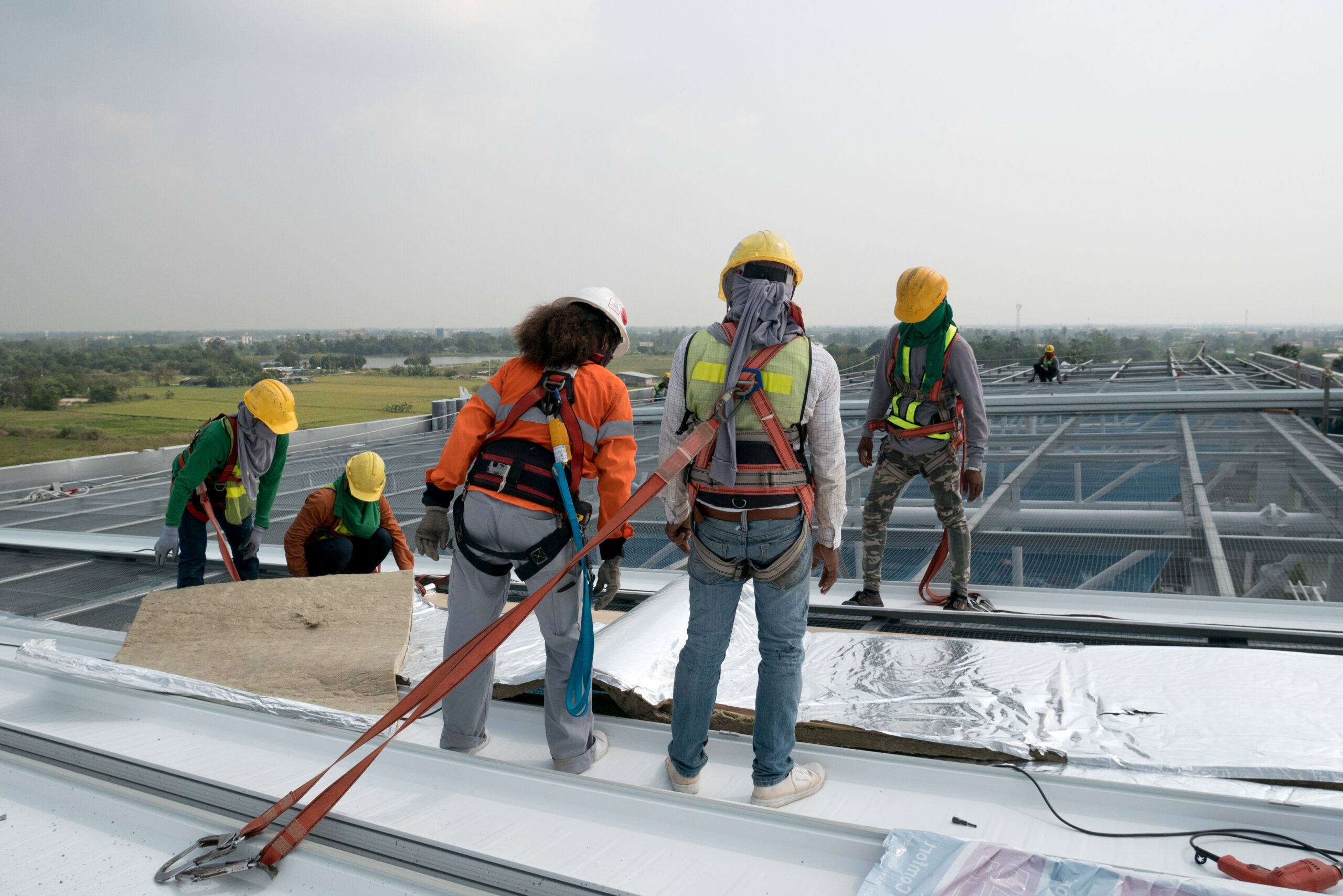
While some homeowners might ignore this, the necessity of routine roof checks cannot be overstated. These inspections are essential for preserving the soundness of a home. Over time, roofs can suffer from wear and tear due to a range of weather conditions, including harsh climate, buildup of material, and aging materials. Regular inspections help identify potential issues before they become serious damage, such as water intrusion or compromised stability. Furthermore, timely roof upkeep can prolong the existence of the roofing system, reducing major repair expenses in the long run. Assessments ought to be done at least once a year or following major storms. Using qualified roofers guarantees a thorough assessment, as skilled professionals notice minor damage that an amateur would overlook. Ultimately, prioritizing regular roof inspections helps create a stable and secure home, safeguarding both the structure and those who live there.
Typical Roof Fixes and What They Offer
Regular roof inspections not only help identify potential issues but also allow for crucial maintenance when issues are found. Typical fixes involve stopping water flow, swapping out broken tiles, and clearing debris from gutters. Repairing breaches immediately can prevent water damage and mildew formation, preserving the building and inner rooms. Swapping out damaged shingles strengthens the roof's structural integrity and improves curb appeal, ensuring lasting durability. Additionally, removing debris from gutters avoids water overflow, which can lead to costly repairs and problems with the foundation.
These repairs contribute greatly to making the roof last longer and maintaining energy efficiency. Those who prioritize routine care and timely repairs can prevent larger, more expensive replacements later on. In the end, addressing common roofing issues not only guarantees the safety of the home but also provides peace of mind for homeowners, confident that their home is safeguarded against environmental elements.
The Process of Roof Replacement
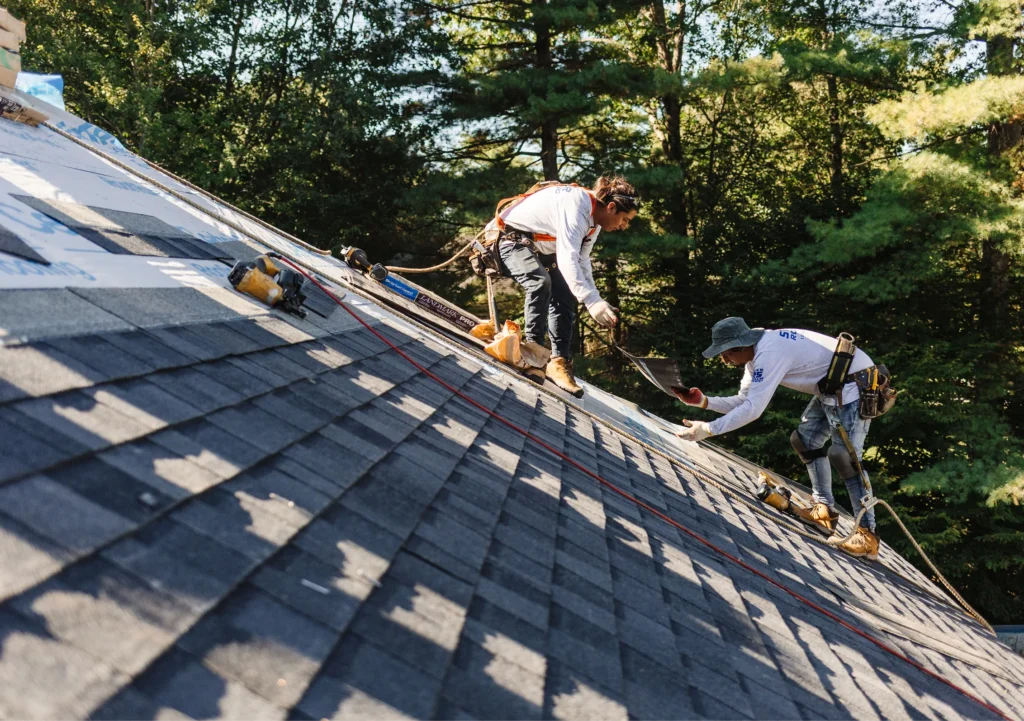
A roof replacement project requires numerous crucial phases to guarantee a successful and durable installation. First, the current roof is carefully inspected to evaluate its state and decide on the required maintenance or replacement. When the inspection is done, the owner should hire a certified roofing professional that can offer a suitable strategy and schedule for the work.
The subsequent phase is stripping the old roof, such as shingles, underlayment, and flashing. This step is essential for identifying any underlying damage to the roof deck. After the removal, necessary repairs are made to the decking, ensuring a solid foundation for the new roof.
Once the deck is secure, fitting the new roof materials commences, with the addition of correct flashing and venting mechanisms. In closing, the site is completely cleaned, ensuring the area is immaculate and ensuring the new roof offers long-lasting protection.
Understanding Roofing Materials and Their Lifespan
Having knowledge of roofing materials is crucial for property owners wanting to make smart choices about their roofs. Each type of roofing material has a unique useful life and care specifications, influencing overall costs and resilience. By examining common options, how long they last, and the needed care, people can more effectively prepare for their roof requirements.
Common Roofing Material Types
Numerous roofing material types are available, each with specific perks and diverse useful lives. Asphalt roofing materials are widely used due to their affordability and ease of installation, they are often chosen for private residences. Metal roofs, known for its durability and low maintenance, is available in many designs, such as standing seam and corrugated sheets. Roofing tiles, often made from clay or concrete material, offers a unique look and resists severe weather. Slate roofing, though it costs more, is appreciated for its durability and inherent aesthetic appeal. Finally, synthetic materials, such as rubber or plastic, present green alternatives that resemble classic materials. Each material fulfills distinct needs, allowing homeowners to choose the best fit for their property.
Lifespan of Roofing Options
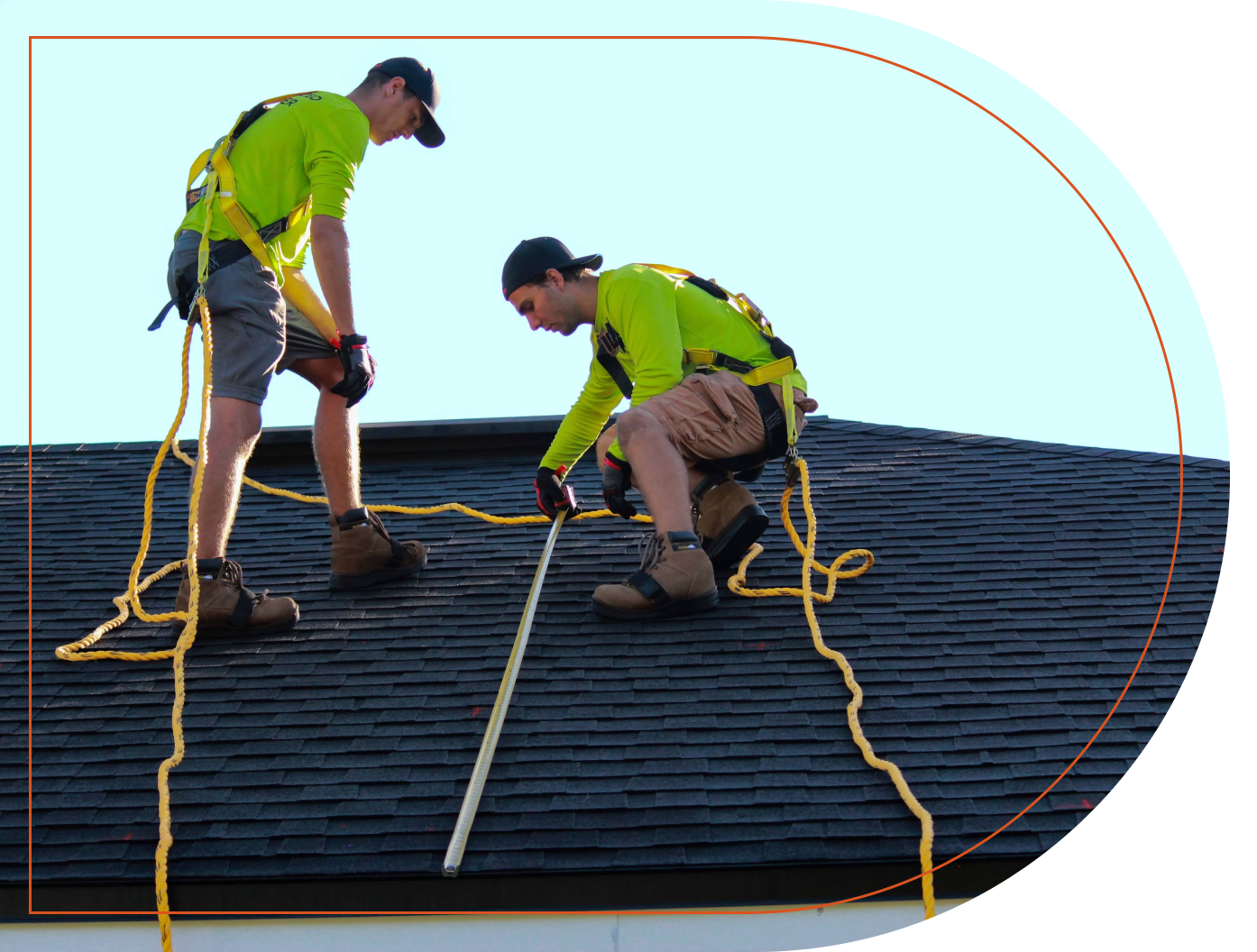
Choosing roofing materials means taking into account how they look and what they cost but also their longevity. Various roofing choices have different durations, directly impacting homeowners' long-term investments. Shingles made of asphalt generally last around 15 to 30 years, based on their quality and how they were installed. Metal roofs, known for its durability, can last between 40 and 70 years when installed properly. Tiles made of clay and concrete boast impressive longevity, often reaching 50 years or more. Wood shakes, while aesthetically appealing, generally last between 20 to 25 years, affected by weather and care. Finally, man-made materials differ significantly, with certain choices engineered to endure a maximum of 50 years. Grasping how long they last assists property owners in deciding wisely about what they spend on their roof.
Caring for Your Roof to Make It Last
Routine upkeep is crucial to ensure the longest lifespan of roofing materials. Homeowners must periodically examine their roofs for signs of wear, such as missing shingles, cracks, or moss growth. Addressing these issues promptly stops greater damage from occurring. Different roofing materials have varying lifespans; for instance, asphalt shingles usually endure 15 to 30 years, whereas metal roofs may last 40 to 70 years with proper care. Routine maintenance of gutters and downspouts is imperative to guarantee water drains freely, minimizing the risk of leaks and structural damage. Additionally, contracting a specialist for periodic reviews can aid in spotting potential problems early on - Massapequa Roofing Company. By understanding the specific maintenance needs of their roofing material, homeowners can substantially guide improve their roof's durability and secure long-term protection for their homes
The Role of Gutters in Maintaining the Roof
Gutters play an important part in roof maintenance by directing rainwater away from the structure. Properly functioning gutters keep water from accumulating on the rooftop, which can lead to leaks, mold growth, and structural issues. They channel rainwater downwards and away from the foundation, protecting the integrity of the home.
Regular inspection and cleaning of gutters are imperative, as debris can block the passage and form obstructions. When gutters are not maintained, they can overflow, resulting in moisture entry into walls and ceilings, ultimately resulting in costly repairs.
Additionally, well-maintained gutters enhance the efficiency of a roofing system, extending its service life. Homeowners should focus on gutter maintenance as part of their general roof upkeep strategy, making sure that these essential components operate effectively. By taking this action, they contribute to the durability and safety of their homes, demonstrating the undeniable importance of gutters in roof maintenance.
Choosing a Dependable Roofing Contractor
How can homeowners guarantee they choose a reliable roofing contractor? First, it is essential to conduct thorough research. Homeowners should seek recommendations from friends, family, and online reviews to locate well-regarded contractors in their area. Next, confirming documentation is essential; a reliable contractor should possess valid permits, insurance, and certifications.
Homeowners should also ask for comprehensive quotes from multiple contractors, evaluating prices and the work provided. Communicating clearly is crucial, as a reliable contractor will be responsive and open about their processes.
In addition, examining previous work and customer testimonials can give an idea into the contractor's skill level and reliability. Finally, it is best to select a contractor who offers warranties on both materials and labor, which guarantees lasting support and protection for the homeowner’s investment. Following these steps, homeowners can significantly boost their likelihood of hiring a trustworthy roofing contractor.
FAQs
When Should I Arrange a Roof Inspection?
Experts recommend scheduling a roof inspection at least twice a year, specifically in the spring and the fall. In addition, inspections should occur after severe weather events to check for possible injury and ensure the roof remains sound.
What Are the Signs of Roof Damage to Watch Out For?
Indicators of roof deterioration involve missing shingles, water seepage, sagging, stains on the interior ceiling, missing granules in the troughs, and visible moss or algae growth. Addressing these problems quickly can prevent more extensive damage and expensive fixes.
Is it Possible to Do My Own Roof Repairs?
Indeed, people are permitted to carry out roof repairs themselves provided they have the right tools and skills. However, caution is advised, as incorrect fixes could result in further damage or safety hazards, potentially requiring professional intervention later.
How Do Weather Conditions Affect Roofing Materials?
The climate significantly affects roofing materials, causing wear, deterioration, or damage. Massapequa Roofing Company. Extreme temperatures, moisture, and UV exposure can reduce structural soundness, resulting in water penetration or structural concerns. Routine maintenance is crucial to lessen these impacts and prolong lifespan
How Much Does a Typical of a Roof Replacement?
The average cost of a roof replacement generally costs $5,000 to $15,000, varying due to factors including roof size, material type, and geographical location, which affects the total cost and installation standard.